
The full curriculum
Every module, what it covers, and what comes with it
Eight recorded lessons, twelve worksheets, and a reference list you can keep using after you finish watching.
Format
What's included with enrollment
The course is delivered as recorded video, so there are no live sessions to schedule around. Each module runs between twenty and thirty minutes and includes at least one downloadable worksheet you can print or fill out digitally while the lesson plays.
Recorded video lessons
Eight modules, watchable in any order, though built to build on each other sequentially.
Label-reading worksheets
Practice sheets using real label layouts with brand names removed, for hands-on repetition.
Protein calculation guide
A step-by-step worksheet for estimating a personal protein range from ISSN position stand figures.
Reference and glossary sheet
A running list of ingredient names, studies referenced, and terms defined in plain language.
Module 02 in detail
Protein: what it does and how much you need
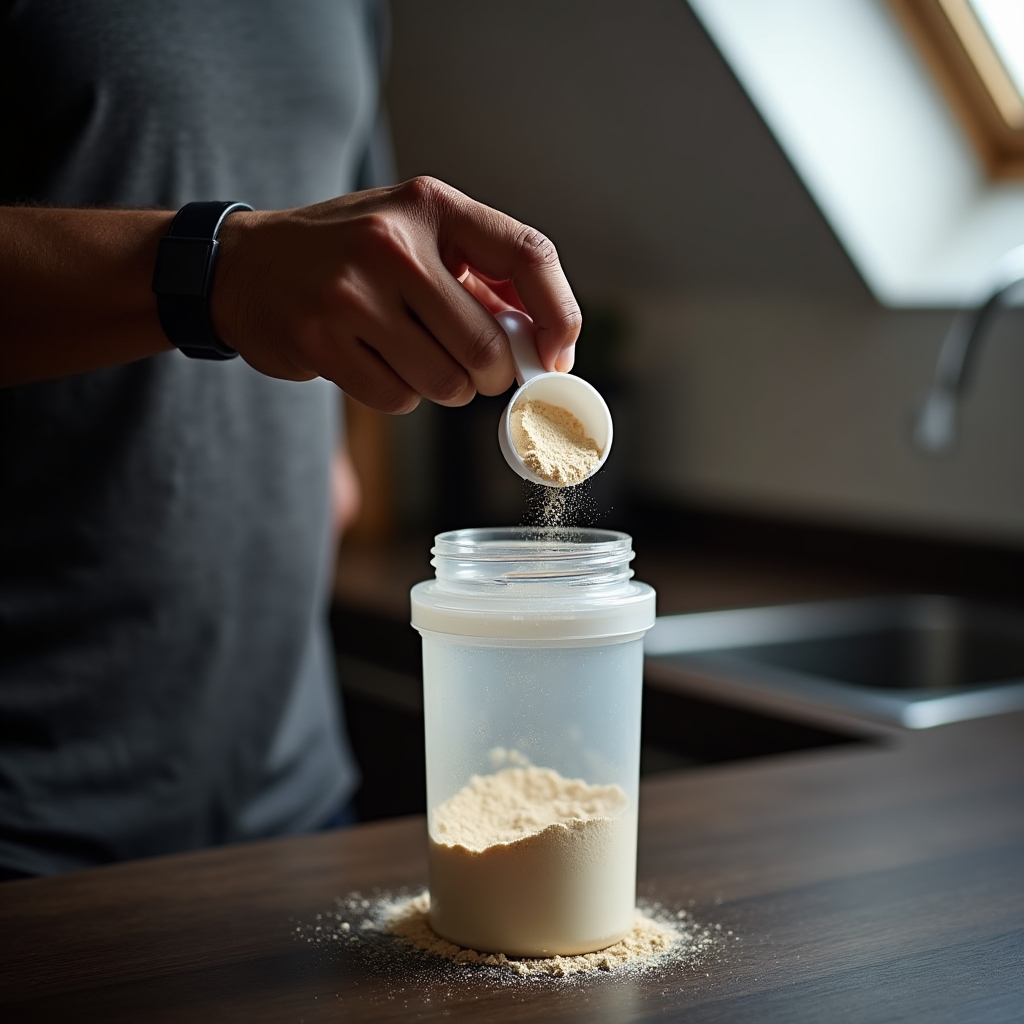
This lesson opens with what protein is actually doing at the tissue level during recovery from resistance training, before moving into intake recommendations. The ISSN position stand on protein and exercise frames intakes in the range of roughly 1.4 to 2.0 grams per kilogram of body weight per day for people engaged in regular training, with individual factors such as training volume and total energy intake shifting where in that range a person might sit.
The module then walks through comparing that number against what a standard scoop actually contains, so you can see whether your current protein habits sit near, above, or below what the research literature discusses, without ever telling you which product to use.

Module 03 in detail
Creatine monohydrate and the depth of its research base
Creatine monohydrate is frequently described as one of the most extensively studied compounds in sports nutrition, with decades of trials examining its effects on strength training performance and short-duration, high-intensity exercise. This module reviews how loading and maintenance dosing protocols are typically structured in the literature, and what outcomes the research base does and does not support.
It also addresses common questions that circulate outside the research, such as claims about water retention, kidney strain in healthy individuals, or performance benefits in endurance-dominant activities, comparing each against what published reviews actually conclude.
Module 04 in detail
Pre-workout ingredients without meaningful human evidence
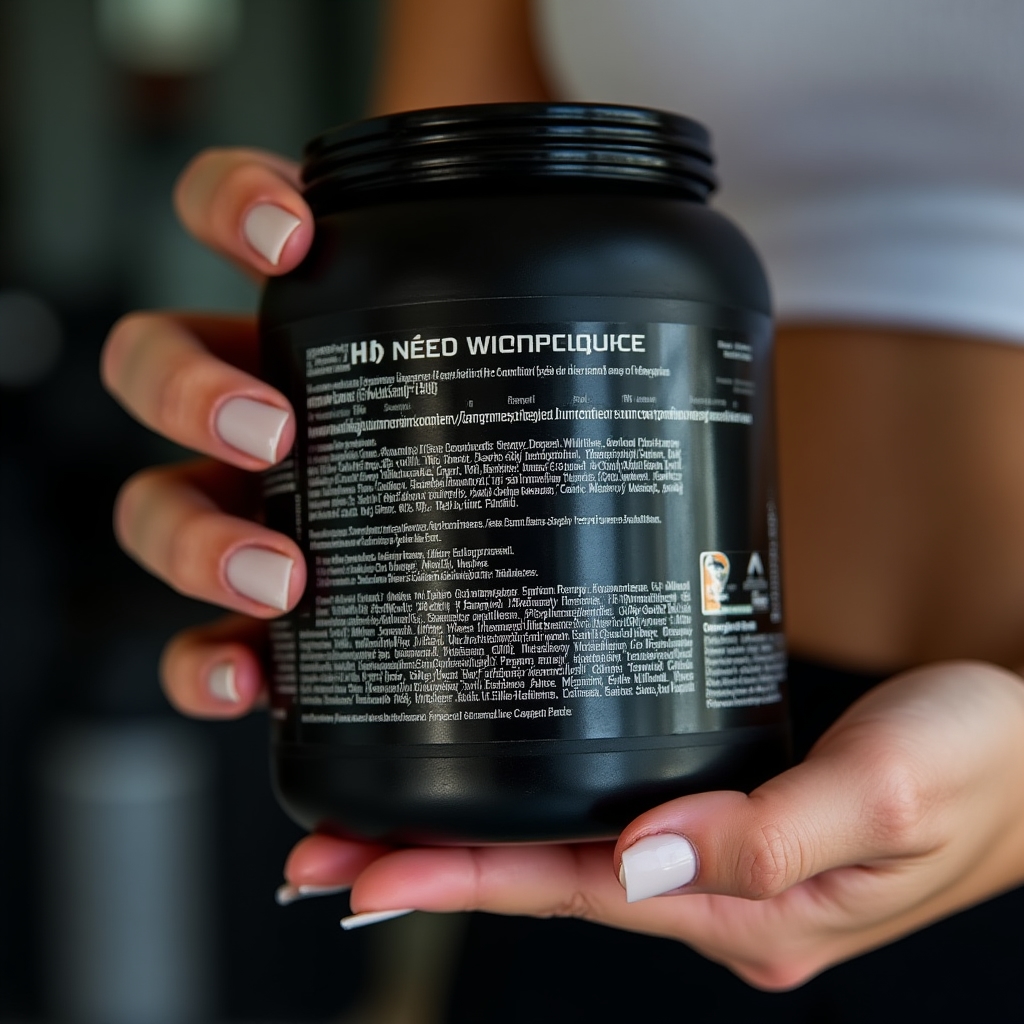
Many pre-workout formulas combine ingredients with strong human trial support, such as caffeine and beta-alanine at researched doses, alongside additions with little to no controlled human research behind the amounts used. This module walks through several ingredient categories that commonly appear on labels mostly because they read well, rather than because dosed human trials support the claims attached to them.
The lesson does not tell you to avoid or seek out any specific ingredient. It teaches you how to look up whether human research exists for an ingredient you do not recognize, so the skill outlasts any single product generation.
At a glance
Module overview table
| Module | Focus | Approx. length | Worksheet included |
|---|---|---|---|
| 01 | Supplement marketing vs. research | 22 min | Marketing claim checklist |
| 02 | Protein intake and ISSN guidance | 28 min | Protein range calculator |
| 03 | Creatine research overview | 26 min | Loading/maintenance reference card |
| 04 | Pre-workout ingredient evidence | 30 min | Ingredient lookup worksheet |
| 05 | Reading a Supplement Facts panel | 24 min | Annotated label practice sheet |
| 06 | Proprietary blends explained | 20 min | Blend red-flag checklist |
| 07 | Third-party testing marks | 18 min | Certification mark glossary |
| 08 | Personal evaluation framework | 25 min | Evaluation framework template |
Questions before you start?
Reach out through the contact page and we will get back to you about the course format and content.
Contact Vakisa